
Conor Dowd
Global Head of Product Marketing, AMCS
Heavy-duty waste trucks are built for tough work — constant stop-start driving, heavy loads, corrosive materials, and complex hydraulic systems. To keep them safe, reliable, and profitable, waste operators need more than basic repairs. They need a smart, proactive maintenance strategy powered by digital tools.
what vehicles are used to transport waste?
All waste vehicles endure harsh conditions with frequent stop-start driving, heavy loads, and exposure to corrosive materials. The type of vehicles in your fleet will depend on the waste you collect.
Common waste collection vehicles include:
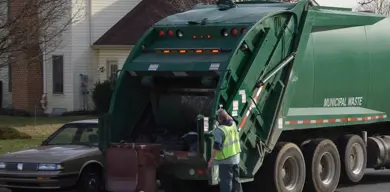
Waste/Refuse collection vehicles: These trucks are equipped with lifting mechanisms (rear or side) and feature hydraulic compaction for collecting household waste.
Front loader trucks: Designed to handle large commercial dumpsters, front loader trucks are ideal for collecting and compacting high-volume industrial waste.
Split-body trucks: These specialized refuse trucks feature two compartments for collecting two types of waste simultaneously, such as recycling and garbage, in one trip.
Electric refuse collection vehicles (eRCVs): Electric fleets are increasingly used to deliver quiet, zero-emission collections in urban areas.
Food waste vehicles: These smaller, sealed trucks or specialized caged tippers can be used for collecting organic waste.
Although each has truck-specific maintenance needs, they all require a specialized, proactive approach in order to maximize uptime and ensure vehicle safety.
how to manage waste vehicle maintenance – a preventative approach
Modern waste companies treat preventative maintenance as the bedrock of their operations. Unlike reactive maintenance, which often leads to unplanned downtime and expensive repairs, preventive maintenance is designed to catch minor issues before they escalate.
Using maintenance software helps track preventive maintenance by scheduling shop time at appropriate intervals. But automating your PM schedule according to the calendar, or even the number of miles driven, may not be sufficient.
When operating complex vehicles with hydraulic machinery, you also need to track the wear and tear on automated arms or compaction units—especially in high-value, critical fleets where a single asset can carry 150+ sub-components, each with its own maintenance schedule, cost profile, compliance requirements, and failure risks. With AMCS Fleet Maintenance, you can track the engine, body, chassis, and attachments as separate but connected components, each with its own maintenance schedule.
pre-trip inspections: your daily defense against downtime
The second element of an effective maintenance strategy begins every morning before your trucks even leave the yard. During pre-trip inspections, drivers check essential components to identify early signs of mechanical failure, including:
- Fluid leaks: Monitoring engine oil, transmission fluid, coolant, and hydraulic levels help spot issues such as leaks.
- Tire pressure and brakes: Because of constant stop-start cycles, these parts endure immense stress. Proper inflation and tread depth are checked daily to ensure stability and fuel efficiency.
- Packer equipment: A unique requirement for waste fleets is cleaning the packer blade and the area behind the packer ram. If trash is allowed to collect here, it can cause hydraulic malfunctions or structural damage.
To streamline pre- and post-trip inspections, many companies are replacing paper forms with standardized Electronic Driver Vehicle Inspection Reports (DVIR), which can be completed via a mobile app.
AMCS Fleet Maintenance allows you to create custom checklists for truck-specific tasks, whether that’s checking the bin lift or inspecting the charge port on your eRCV. Any failures automatically raise a work request, allowing the shop to prioritize repairs before the next shift.
digital tools deliver reliability
When thinking about how to manage waste vehicle maintenance, shifting from manual to digital fleet management offers clear advantages. Not only does it facilitate automated service reminders and mobile apps, but easy access to vehicle data can also help you understand overall fleet health.
By centralizing data via a fleet maintenance platform, waste companies can evaluate:
- maintenance history
- fuel consumption
- total cost of ownership
- inventory management
This provides a single source of truth for all aspects of fleet performance, so you can make informed decisions regarding asset upgrades or replacement.
Look for software tools that use historical data and usage patterns to provide extra insights on operational performance so you can eliminate bottlenecks for your fleet.
why maintenance software is key to safety and compliance
Maintenance is not just about keeping your trucks moving; it is about protecting the crew and the public. Waste companies must adhere to strict regulations governing the roadworthiness of vehicles, environmental regulations, and health and safety standards for technicians and drivers.
In the United States, waste fleet operations are shaped by multiple regulatory bodies, including the Occupational Safety and Health Administration (OSHA), the Environmental Protection Agency (EPA), and the Department of Transportation (DOT), alongside industry-led safety standards that guide the safe operation of refuse vehicles.
In the UK, waste truck maintenance is governed by legislation from the DVSA, the Health and Safety Executive (HSE), and the Environment Agency. There are also waste industry guidelines on the safe operation of waste vehicles.
Keeping your trucks and waste crew compliant with these directives takes work and fleet maintenance technology can help in various ways:
Audit-ready digital records
A centralized database of maintenance activities including repairs and inspections allows you to easily produce reports for authorities and safety inspectors.
Certification & compliance
Waste equipment is often subject to industry-specific regulations such as LOLER for vehicles with waste lifting equipment. Software ensures mandatory examinations are up to date and certifications are in place.
Journey logs
Some tools can integrate with on-board telematics to record vehicle movement and operator behavior. This can be used to identify high-risk habits and enable better safety training.
Proactive safety alerts
Automated alerts notify fleet managers of overdue inspections, expiring driver licenses, or reported defects, helping to mitigate safety risks before they lead to accidents or fines.
maintenance software: the start-point for savings
In the long run, investing in fleet maintenance software for heavy-duty waste operations results in significant cost savings.
Firstly, well-maintained trucks are more fuel efficient. At a time when fuel costs are rising due to Middle East uncertainty, reducing your fuel consumption can significantly lower operating costs (not to mention minimizing your environmental impact).
Secondly, taking control of your parts and inventory can save you money. Your stockroom represents a critical financial asset, so tools that streamline your inventory and eliminate obsolete components will deliver savings. AMCS Fleet Maintenance can even provide automated warranty recovery to recoup costs on eligible parts.
Finally, implementing a mobile-friendly maintenance solution can save you time by streamlining workflows and eliminating time-consuming paperwork.
Since implementing AMCS Fleet Maintenance, waste service provider, Miller Waste has seen a number of vital savings. It has:
- Reduced its open work order backlog by over 50%
- Cut data entry time for work orders from over 20 minutes to just 30 seconds
- Achieved estimated maintenance cost savings of 10-15%
- reduced the time taken to compile reports by 40%
AMCS understands waste fleets
Managing vehicle maintenance in the waste sector is a complex, 24/7 operation. At AMCS, we understand the stresses of this environment and the demands on your waste vehicles.
Our Fleet maintenance solution is purpose-built to deliver effective preventive maintenance, exacting inventory control, and rigorous safety compliance.
But that’s not the only way we support high-tech waste assets. To discover the transformative impact of the full range of AMCS Transport solutions on waste management operations, why not watch our webinar: Driving Excellence in Waste Transport.
ready to upgrade your logistics?
Managing your waste fleet efficiently is a daily challenge, but with the right software tools you can run a safer, more cost-effective, and sustainable operation.
There are plenty of fleet management solutions out there, but not all are designed to handle the complexities of waste logistics. AMCS software is purpose-built for heavy-duty waste operations, combining AI, automation, and data analytics to deliver fleet management tailored to your needs.
Contact our team of experts to learn how AMCS can support your fleet.